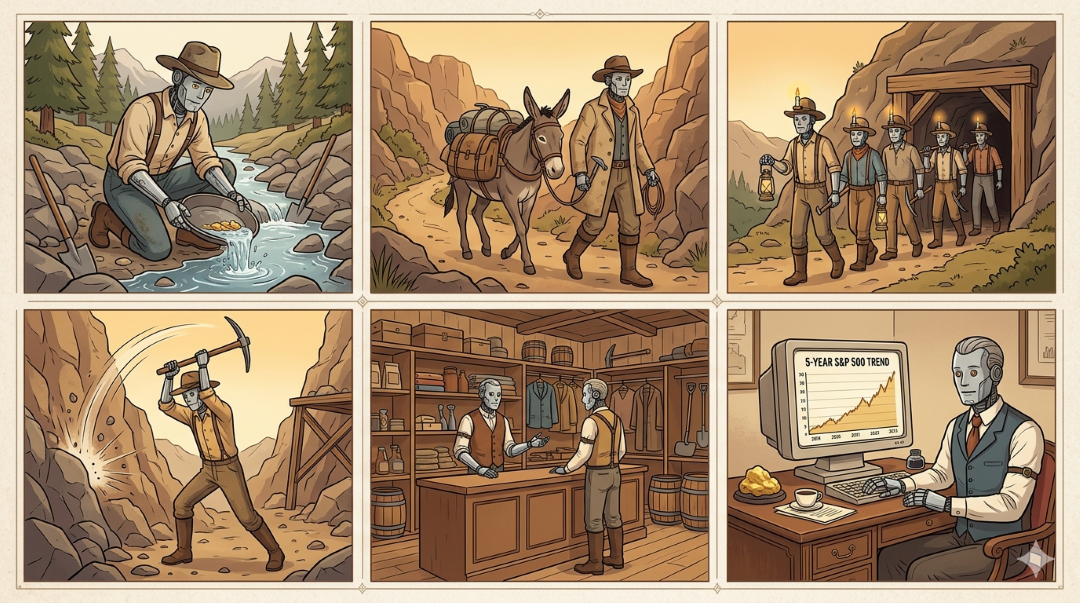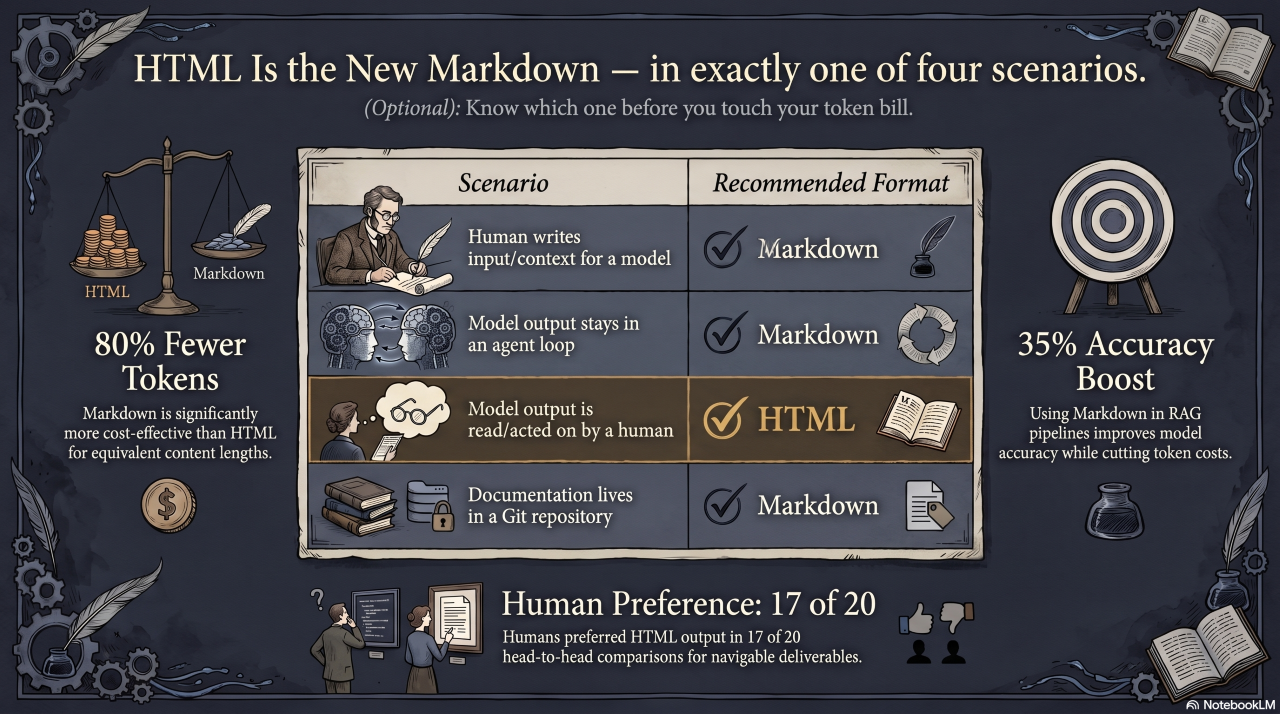
tl;dr: New platform. Deadline. The instinct is to move fast and clean it up later. That’s where technical debt is born. A well-constructed Claude project, loaded with curated platform documentation and queried with the experience to know what to ask and how to evaluate the responses, tactically compresses the ramp-up without sacrificing strategic design principles.
The Sharp Fork in the Road
Every architect and engineering lead who has given a project to deliver on a new platform or with new technology under deadline pressure knows this fork. Pushing for proper preparation can get you marked (ironically) as a risk from the leadership perspective. Plowing forward using old techniques without understanding the new nuances keeps you up at night…either knowing you are missing something up front, or fixing what you didn’t know during the final death-march phase of a waterfall project that just happens to use Kanban boards, daily stand ups, and sprint ceremonies.
One path: move fast. Learn just enough to ship. Ask support when you hit a wall. Request exceptions when you hit limits. Get it working and tell yourself you’ll revisit the architecture when there’s more time. (There is never more time.) What you build in that mode becomes the foundation everything else is built on, and the cost of fixing it compounds with every sprint.
The other path: slow down. Read the documentation properly. Understand the platform’s constraints before you design around them. Make the right call the first time. This is correct and often impractical. Deadlines are real. The platform is new. The documentation is dense. The team is waiting.
The Contentstack project that prompted this post took the first path and ran into a SaaS governance constraint that happens to be measured recursively. The first time it was hit, the response was typical for teams working with a new SaaS vendor and release date that was set before the first line of code was written: Ask for an exception. Which was granted, hit again and raised again. Fortunately, the third time it happened, an experienced vendor support manager recommended reviewing best practices to avoid the issue. And an experienced architect was on the receiving end of that suggestion, one who had previously dealt with a Salesforce solution that went down three months after launch from relying on similar exceptions.
This post is not about Contentstack architecture. It is about the challenge many teams face with balancing target dates and defensive design decisions, and a tool set to apply in order to keep from tipping too far in either direction.
Claude as a Platform Research Partner
Giving Claude access to a curated set of platform documentation and then working interactively to explore solutions is not a replacement for architectural experience. It is an accelerant for it. It is also not a way to do away with architects or the inclusion of design tasks at the feature or story level. It is how to fulfill the expectation that AI can provide ROI immediately when applied by experienced technologists.
These distinctions matter. It’s never about “ask Claude what to do” (because if you need to ask “what” you won’t know how to ask “how” when the time comes). It is “I understand how systems like this behave, I know which constraints are likely to compound, and I need to move through the analysis faster than I could alone.” Experienced architects and engineers bring the judgment: familiarity with how content models fail at scale, how schema resolvers typically handle recursion, how vendor-imposed limits usually reflect real constraints in the underlying system. Claude brings the recall, the scripting, the cross-referencing, and the tireless patience for the kind of recursive schema analysis that would take a senior engineer the better part of a day.
For those that follow my posts you know that I will often describe theoretical solutions backed by a combination of personal experience where they would have worked linked to examples from others who demonstrated that they work. In this case the experience came before the theory, working backwards from a result where I noticed the process while documenting the solution (because, hey, that is what architects do after they solve something).
The working example was with a Contentstack implementation. It took one focused 2-hour session to identify an obscure root cause, define a strategic solution, discover other areas to apply the same solution, and identify where the solution would cause more harm than good. A second 30-minute session was applied after the first round of refactoring to validate the impact and prioritize the remaining effort. Before Generative AI, this would have been several days of effort that would not have been attempted until the risk was realized in production delay.
The Project is the Architecture
Before a single question gets asked, the project has to be built. This is not setup overhead. This is the work.
A blank Claude chat window and a well-constructed project will give you very different results on the same question. The difference is not the AI. It is the knowledge boundary, the taxonomy, the instructions, and the accumulated session output. Strip those away and you have a general-purpose assistant guessing at context. Keep them and you have something that behaves like a senior researcher who has been on the project for months.
What goes in the project folder:
Downloaded documentation as markdown files, not links. Links go stale, require fetches, and introduce latency. Pull the platform docs that matter, save them as markdown, put them in the folder. For Contentstack: the Global Fields limitations page, the Content Modeling Best Practices guide, the Custom Fields documentation. Not every page in the docs. The ones relevant to the work. Knowing which ones matter is the first place architectural experience shows up.
Actual data from the platform. In this case, exported stack JSON. Claude can read it directly in the sandbox, run scripts against it, and cross-reference findings against the loaded documentation in the same session. That combination of curated docs and live data is what makes the diagnosis precise instead of speculative.
Session summaries. After each working session, have Claude produce a structured summary: the original problem, the conclusions, the evidence, the next steps. That file becomes the cold-start document for the next session. You don’t re-explain the context. You hand Claude the prior session’s output and continue. The knowledge compounds.
At some point (again, much of this requires human intuition gained through real-world experience), have Claude work with you to turn the summaries into a skill scoped to the specific platform, technology, or tool so that when they are in context these lessons learned will be applied automatically going forward.
The Taxonomy Is Not an Afterthought
Separate downloaded reference content from working session output. Nest folders by topic. /reference/, /sessions/, /data/ serve different purposes and should live in different places. This is not pedantry. It is how you make the project instructions work correctly, and how you find things six weeks later without rebuilding context from scratch.
If the platform has extensive documentation, don’t try to enumerate allowed URLs in the project instructions directly. Create a reference-urls.md, or per-topic files like contentstack-docs-urls.md, with an annotated, categorized list of approved sources. Claude works from the list. You maintain the list. It stays current and searchable.
The discipline compounds the same way the session summaries do. A well-organized project from session three makes session fifteen faster than session one.
The Project Instructions Are the Rules of Engagement
The instructions define how Claude behaves inside this knowledge space. Three things they need to do:
Challenge assumptions. If a question implies something not supported by the loaded documentation, say so. Don’t fill gaps with plausible-sounding answers. The most dangerous thing a research assistant can do is answer confidently on insufficient evidence. This instruction eliminates a whole category of hallucination risk before it starts.
Point out mistakes. If the framing of a problem is wrong, say so. This is the instruction most people skip and then complain about later. You want an assistant that pushes back, not one that validates your bad hypothesis and helps you build a case on sand.
Limit web searches to specific URLs. Unconstrained web search in a technical investigation introduces noise: outdated content, inconsistent sourcing, SEO-optimized answers that aren’t accurate. Lock it down. Specify which domains are permitted. For a Contentstack project, that’s contentstack.com/docs. Everything else requires explicit permission. If the approved URL list is long, store it in a markdown file in the project folder and point the instructions at it.
This Requires an Architect
Here is the part that does not get said enough.
You cannot point Claude at an unfamiliar platform, load a few docs, and expect it to diagnose architecture problems. You can try. What you’ll get is fluent, confident, and partially wrong.
There are many engineers capable of setting this up. The value of an architect doing the work is separation of concerns in roles. The architect’s role is to nail down processes and choices that allow engineers to focus on the best way to apply them.
In our Contentstack use case, the single session worked because the person directing it brought a deep understanding of adjacent technologies and the experience to know both what to ask and how to evaluate the responses. Specifically:
- Recognizing that the error message pointed to a schema limit, not a code problem, because that’s how content platform resolvers typically surface constraint violations
- Understanding that “recursive” in the documentation meant multiplicative compounding, not additive, based on how similar systems handle nested references
- Knowing the fix had to leave the content model intact for authors, which ruled out several otherwise obvious approaches
- Reading a Claude-generated Python script’s output and recognizing that the confident result provided the first time was due to looking in the wrong parts of the schema
- Looking at a before/after instance table and determining whether the fix was actually complete or just moved the problem
None of that knowledge lives in the documentation itself. It transfers in from adjacent experience: content modeling, schema design, how platform resolvers work under the hood. Claude surfaces the platform-specific detail. The architect determines what it means.
The tool doesn’t replace experience. It supercharges it with speed and specific knowledge.
The Interaction Pattern
What the Contentstack session actually looked like, stripped of the platform specifics:
- State the problem. Provide the evidence: the error message, the exported schema, the documentation.
- Claude generates a hypothesis. Test it against the data.
- Diagnostic script written and run in the sandbox.
- Root cause confirmed. Fix designed. Impact predicted before any schema changes are made.
- Fix implemented. Follow-up session loads the new export and verifies the result.
- Summary file created. Next session’s candidates identified.
No magic. An architect with relevant adjacent experience, a fast and patient research partner, and a well-stocked project folder.
Prompts That Did Actual Work
These are worth examining because the techniques transfer to any platform.
“Describe in detail the cause of home_page_template having 24 instances, and instances of what?”
The second half of that question is the important part. Asking Claude to define what it is counting before giving the count forces precision on both sides. In technical sessions on an unfamiliar platform, jargon can mask shallow understanding without anyone noticing until the fix doesn’t work. The ability to ask that follow-up, to know that “instances” needed a definition before the number meant anything, comes from having debugged similar problems elsewhere. Use this pattern whenever an answer could be technically correct but operationally ambiguous.
“Create a summary file to feed to the next analysis session that includes the conclusions from this session combined with the original inputs. Format and sequence the file so that the next session can be as efficient as possible.”
Besides being familiar with adjacent technology, experience solving complex issues with Generative AI is why this is an approach for architects and engineers. Yes, Claude will now start compacting sessions on its own to improve efficiency, but having the sense that it is time to move to a new session is again an area where human experience beats relying entirely on the AI.
This prompt converts a working session into a durable asset. The phrase “format and sequence for efficiency” is carrying real weight: it tells Claude to think about how the file will be consumed, not just what it contains. The output becomes the cold-start document for the next session. Without it, every session re-derives context the previous one already established.
“Read the attached to get full context of the original issue, then review the contents of [folder] and determine if and how the issue has been improved.”
Sequencing does the work here. Claude gets the full prior-session summary before it touches the new data, so “improved” arrives with a precise definition attached. Without that order, it analyzes the new export without knowing what it’s comparing against. Prime with context before assigning the task, every time.
All three follow the same pattern. Context before task. Output format stated up front. It is not a methodology. It is just how you would brief a colleague who needs to be useful on short notice.
The Setup Is the Differentiator
Two teams, same platform, same error.
Team A has Claude. No curated project, no loaded docs, no taxonomy, no instructions. They get generic answers that feel helpful until they don’t hold up under the actual constraints of the platform.
Team B has a project built by someone with deep experience in adjacent technologies, content modeling, schema design, API behavior under constraint, who knows both what to ask and how to evaluate what comes back. Downloaded reference docs. Exported platform data. Session summaries that carry forward. Instructions that push back on bad assumptions.
Team B gets a root cause analysis, a fix, and a forward-looking roadmap. More importantly, they get it without accumulating the kind of structural debt that shows up six months later as an emergency.
A Note about Choosing Cowork
What I’m describing is not the typical use case for Claude’s project-based workspace. It is aimed at knowledge workers automating routine tasks: organizing files, generating reports, drafting communications. Productivity stuff. This is not that.
My choice of Cowork is based on my day-to-day work being mostly in documents and decks. This could also likely be done using Claude Code in an IDE for those that prefer that interface.
I became aware of how far outside the lines I was operating when someone asked what tool I was using, I explained it, and I watched the look on their face. You know the look.
I have been here before. I spent years using JMeter for continuous functional and regression API testing, which is not what JMeter is for. JMeter is a load and performance testing tool, and there are entire communities of people who will tell you this. They are correct and also missing the point, because once you understand how JMeter handles realistic randomized inputs and configuration-driven test selection, you end up with one codebase doing the work of four. I wrote about it. People told me I was doing it wrong. The tests kept passing, so.
It is common to analogize the similarities between physical tools and technical tools. “When all you have is a hammer, everything looks like a nail”, and “You can use a screwdriver as a chisel, but you really shouldn’t.” I’ve often used those myself. But the opposite analogies are also true. Most tools can be a weapon, and many tools can have multiple uses. While screwdrivers are still terrible chisels, some are great prybars, hole punches, and, yes, weapons. Same with software. Excel has spellcheck, but I’d never paste text into it before posting to a blog, but I have used formulas to parse text rather than writing a script to apply regex rules because it is faster and just as accurate. Use your tools to the extent of their value, and don’t underestimate their value or your ability to innovate.